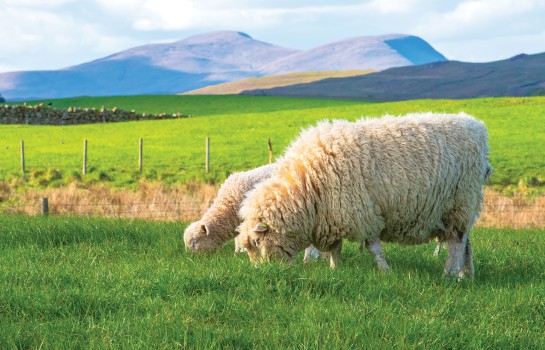
Autumn grass can provide valuable keep for cattle and sheep. Planning the final grazing rounds, protecting the sward and allowing time for recovery will help make the most of what is available now while preparing fields for lambing and turnout next spring.
Here are four things to consider as you plan the grazing ahead.
1. Plan your closing rotation
Start by identifying the fields you will need first in spring. These should generally be grazed and closed first, allowing time to build cover before they are needed again.
Staggering closing dates across the farm helps prepare fields for different stages of lambing or turnout. Think about access, shelter and soil type alongside grass availability, so the plan suits the stock that will use each field.
Once a field is shut up, avoid going back in for another bite of fresh growth. That grass is part of next spring’s feed supply. Review the plan as conditions change rather than working to a fixed date regardless of what is happening on the ground.
2. Protect the sward
Grass can still be available when ground conditions become the limiting factor. Keep a close eye on wetter fields, gateways and areas around water troughs, where damage can develop quickly.
Where practical, graze fields prone to poaching while conditions are suitable. For cattle, on/off grazing can help utilise grass while limiting the time spent on vulnerable ground. Moving stock or housing earlier may be the better option if conditions deteriorate.
Take particular care with new reseeds. Check that plants are firmly rooted before grazing and use suitable light stock when the ground can carry them.
3. Avoid grazing too tightly
A useful final graze should leave the sward in a position to recover. Repeatedly taking fresh regrowth as growth slows can compromise the cover available for spring.
For established perennial ryegrass swards, a post grazing residual of around 4cm is a commonly used guide. This needs to be considered alongside ground conditions, sward type and the stock being grazed.
Herbal leys need a different approach. Leave a higher residual, around 6cm, and avoid sheep repeatedly grazing the crowns and young growth of herbs and red clover. Protecting these plants and allowing recovery helps them persist within the mixture.
4. Give fields time to recover
Rest is an important part of managing the feed supply for spring. Housing cattle or moving stock onto other planned winter keep can create opportunities to take individual fields out of the grazing rotation.
Prioritise fields needed for lambing and early turnout, and match the remaining grazing to stock requirements. For herbal leys, plan a winter rest following the final autumn grazing.
A walk round the fields now is also a useful chance to note thin areas, weed burdens or signs of poor drainage that may need attention before next season.
Every farm will have a different balance to strike between autumn utilisation and spring grass supply. A flexible closing plan, care over ground conditions and a suitable recovery period will help make the most of your leys.
If you would like to discuss how your grass has performed this year or plans for next season, speak to your local Watson Seeds specialist