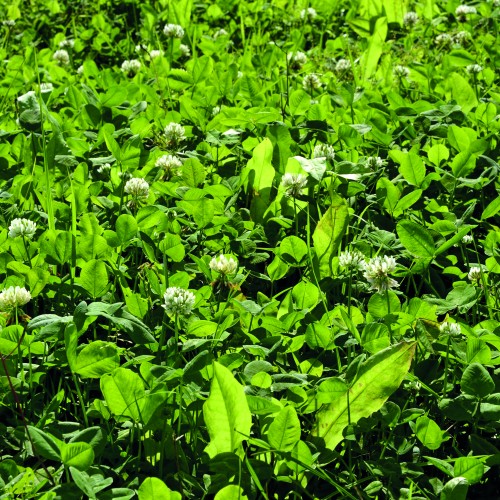
Countryside Stewardship
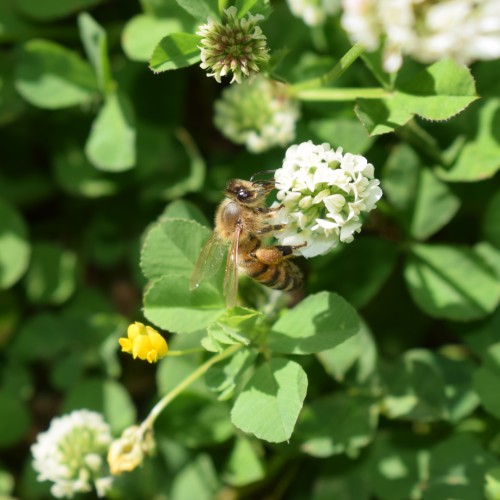
AB1 Nectar flower mix creates flowering areas that provide pollen and nectar for bees and other pollinators through spring and summer.

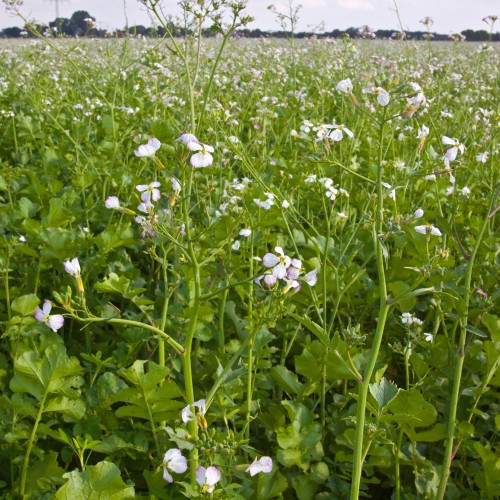
AB2 Basic overwinter stubble keeps crop stubble over winter to provide vital food and foraging habitat for farmland birds and wildlife.
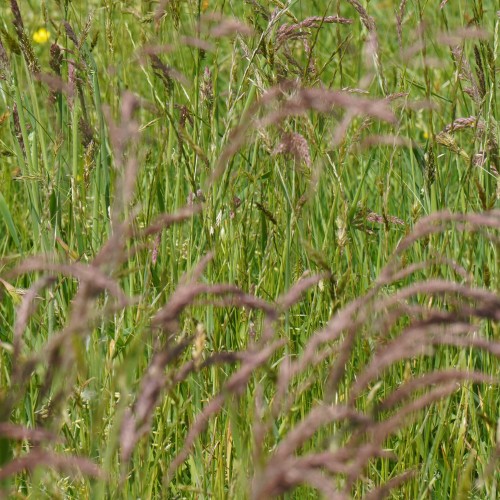
AB3 Beetle banks create raised grass strips that provide shelter and breeding habitat for beneficial insects and spiders.
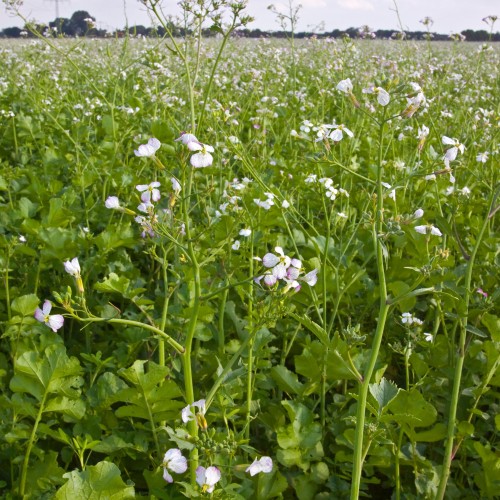
AB7 Winter bird food grows seed rich crops to provide vital winter food and shelter for farmland birds.
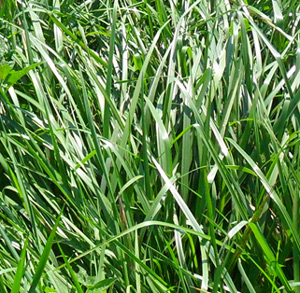
AB8 Flower rich margins create strips of wildflowers along field edges to provide pollen, nectar and habitat for insects and wildlife.
AB9 Wild bird seed mix establishes seed rich crops to provide winter food and cover for farmland birds.
AB14 Harvested maize or fodder beet retains crop residues after harvest to provide winter food and habitat for farmland birds and wildlife.
AB15 Two year legume fallow creates temporary fallow areas with legumes and wildflowers to improve soil fertility and provide food and habitat for pollinators and farmland birds.
AB16 Autumn sown bumblebird mix establishes flowering crops to provide nectar, pollen and seed for pollinators and farmland birds.
GS3 Legume and herb rich swards establish diverse grass mixtures to improve soil health while providing forage and habitat for wildlife.
GS4 Legume and herb rich sward establishes diverse grass mixes to improve soil health, boost forage quality and support wildlife.
GS7 Species rich grassland management maintains diverse grassland to support wildlife, improve biodiversity and enhance soil health.
GS8 Species rich grassland creation establishes diverse grassland to boost biodiversity and provide valuable habitat for wildlife.
GS11 Manage grassland for overwintering birds keeps grass areas undisturbed to provide winter food and shelter for farmland birds.
GS12 Winter bird food on grassland creates seed rich grass swards to provide vital winter food and shelter for farmland birds.
GS14 Creation of species rich grassland establishes diverse grass mixtures to enhance biodiversity and provide long term wildlife habitat.
SW3 In field grass strips create grassy areas within fields to reduce runoff, protect soil and provide habitat for wildlife.
SW4 Four metre buffer strips create grass margins along watercourses to protect water quality and provide wildlife habitat.
SW6 Six metre buffer strips create wider grass margins along watercourses to protect water quality and support wildlife habitat.
SW7 Winter cover crops establish temporary crops to protect soil, reduce erosion and improve soil structure over winter.
SW8 Flower rich buffer strips establish flowering margins to protect water quality while providing pollen, nectar and habitat for insects and wildlife.