Maximising Output Through Grass and Brassica Systems at Wedderlie Farm
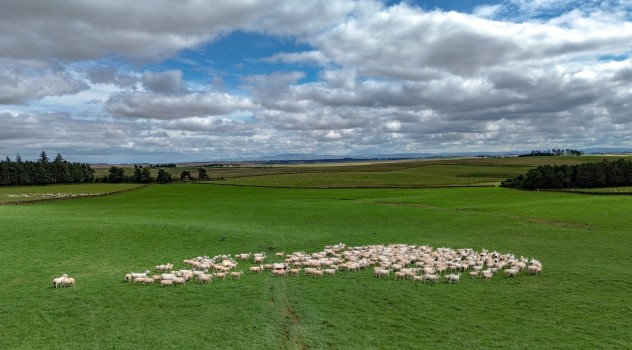
At Wedderlie Farm, productive grassland and brassica crops are central to the livestock system. They provide a flexible and cost effective feed source for both the sheep and Aberdeen Angus cattle enterprises. By focusing on high quality home grown feed, the system is designed to maximise output, maintain flexibility and make the most of every acre. Soil fertility is a key aspect of this, with soils regularly tested and around 300-400 tonnes of lime spread annually to maintain an optimum pH of around 6.3 to 6.5 and maximise nutrient availability.
Building Long Term Sward Performance
The grassland is reseeded with Watson Seeds’ Mingary Castle Mixture, with an additional 5% cocksfoot added into the blend. Mingary is a proven long-term dual-purpose mixture combining productive intermediate and late perennial ryegrasses. Of these ryegrasses, 58.7% are diploids, which have a greater tillering capacity and contribute to Mingary producing a very dense sward. These ryegrasses are complemented by the inclusion of timothy, which provides excellent growth at the shoulders of the season. A blend of small and medium-leaved white clovers adds resilience, boosts livestock intakes, provides an additional protein source and contributes to nitrogen fixation.
The Benefits of cocksfoot in the Sward
The additional cocksfoot in the mixture helps improve the durability of the sward, and its benefit was particularly evident this spring through its contribution to early season growth despite colder conditions. Newer softer varieties of Cocksfoot such as Archibaldi are used which have better digestibility and utilisation.
The result is a versatile ley capable of supporting both sheep and cattle performance or producing a high quality crop of silage throughout the season while maintaining strong productivity over the longer term. The farm is delighted with the resulting silage, typically targeting a mid to late June cutting date, although this was brought forward to late May/early June this year for Scotsheep. The aim is to balance quality with quantity for suckler cows. The last sample analysed at around 11.5 - 11.8ME with 12.2 - 12.8% crude protein.
Using Brassicas to Extend the Grazing Season
Brassicas are also a key part of the reseeding programme at Wedderlie Farm, acting as a pioneer crop to break up older swards while extending the grazing season and providing a high energy feed source during the autumn and winter months.
The forage mixture combines the main season crops kale and swede. These are established around the middle of May when soil temperatures and moisture levels are suitable for rapid establishment.
High-Energy Winter Feed from Kale and Swedes
The crop has the potential to yield around 10–12 t DM/ha, with energy levels of approximately 12–13 ME and crude protein typically around 16–17%. Maris Kestrel kale is generally used due to its exceptional palatability and high leaf-to-stem ratio, which is crucial for utilisation. This is combined with Triumph swede, a medium to high dry matter variety with excellent palatability and good winter leaf retention. The stock is normally introduced in late October with the crop strip grazed with an electric fence to maximise utilisation and minimise waste.
Maximising Forage Utilisation and Livestock Performance
Together, these grass and brassica systems help Wedderlie Farm maximise forage utilisation, reduce reliance on bought in feed and maintain livestock performance throughout the year.
Grassland remains one of the most valuable assets within any livestock system, and careful mixture selection continues to play a major role in improving efficiency and output.